





New


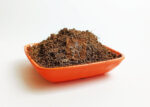

vermicompost
Price range: ₹100.00 through ₹350.00

Bone Meal Powder
Price range: ₹100.00 through ₹350.00
cocopeat
Price range: ₹100.00 through ₹350.00
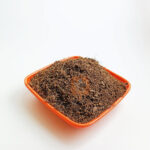
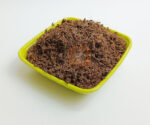
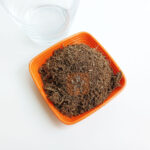
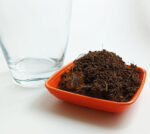
Cocopeat serves as a sustainable and eco-friendly alternative to traditional soil mediums. Its innate ability to retain moisture while ensuring excellent aeration makes it a go-to choice for gardeners and agriculturists alike. The purpose extends beyond mere potting; it enriches soil structure, promotes healthy root growth, and aids in the efficient absorption of nutrients by plants.
Size and packaging guidelines


Fermentum scelerisque hendrerit parturient nullam enim lobortis litora parturient dictumst.

Potenti a quisque tincidunt venenatis adipiscing parturient fermentum nisl tincidunt amentu.

Scelerisque conubia lobortis a condimentum ad eleifend dui integer maecenas habitant nostra.
| Specification | Chair | Armchair | Sofas |
| Height | 37" | 42" | 42" |
| Width | 26.5" | 32.5" | 142" |
| Depth | 19.5" | 22.5" | 24.5" |
| Assembly Required | No | No | Yes |
| Packaging Type | Box | Box | Box |
| Package Weight | 55 lbs. | 64 lbs. | 180 lbs. |
| Packaging Dimensions | 27" x 26" x 39" | 45" x 35" x 24" | 46" x 142" x 25" |
Description
COCOPEAT FOR PLANTS
Key Benefits
1. Superior Water Retention
Coco peat’s sponge-like texture excels in retaining moisture, ensuring a consistent water supply for plants. This property reduces the frequency of watering, making it an ideal choice for regions with erratic rainfall or for those seeking water-efficient gardening solutions.
2. Enhanced Aeration
The fibrous structure of coco peat facilitates excellent aeration in the soil. Its ability to maintain a balance between air and water in the root zone fosters healthy root growth, preventing issues like root rot and promoting robust plant development.
3. Nutrient-Rich Medium
This organic material serves as a reservoir for nutrients. Its cation exchange capacity allows it to hold onto and release essential nutrients gradually, ensuring a steady supply for plant uptake. When used in potting mixes or as a soil amendment, it promotes nutrient availability, contributing to lush and thriving plants.
4. Sustainable and Renewable
Derived from coconut husks, coco peat stands as a renewable resource. Its production involves minimal environmental impact, making it an eco-conscious choice. Furthermore, its biodegradability ensures it returns to the earth without leaving harmful residues.
5. pH Neutral and Versatile
Coco peat boasts a neutral pH, making it adaptable for a wide range of plants. It can be customized by blending with other materials to suit specific plant requirements, offering flexibility in gardening endeavors.
6. Weed Suppression and Pest Resistance
Its composition discourages weed growth, reducing the need for herbicides. Additionally, the presence of natural compounds within coco peat acts as a deterrent to certain pests, contributing to a healthier plant environment.
7. Composting Marvel
When incorporated into compost, coco peat aids in balancing carbon-to-nitrogen ratios, accelerating the decomposition process, and enriching the resulting compost with valuable organic matter.
Nature Hopping advocates for the utilisation of coco peat as a sustainable gardening solution. Its multifaceted benefits not only nurture healthier plants but also promote responsible stewardship of our environment.
By harnessing the potential of coco peat, gardeners can cultivate flourishing gardens while contributing positively to the planet’s well-being. gardening involves growing plants in small spaces, such as balconies or rooftops. Vermicompost allows urban gardeners to maximise the use of limited space by providing plants with a concentrated source of nutrients, promoting strong and healthy growth.
Additional information
| Weight | N/A |
|---|---|
| Brand | Naturehopping |
Usage
Top 5 Key benefits Will be listed here
Lorem ipsum dolor sit amet, consectetur adipiscing elit.
Praesent eu enim id erat rhoncus luctus id a mi.
Duis eget ligula ultricies lorem mattis commodo at et tellus.
Integer pharetra odio a lectus pharetra, non pharetra lacus scelerisque.
Proin pharetra lectus et purus laoreet finibus vel id mi.
In id elit condimentum, iaculis nibh eu, tempus ipsum.
Vivamus id purus nec nisi interdum sodales eu id sapien.
Ut id tellus at nunc convallis efficitur vulputate vitae massa.
Aliquam aliquam augue sit amet enim vehicula finibus.
Fusce euismod felis sed cursus dictum.
Proin volutpat neque at lectus condimentum egestas.
Related products

New

Blood Meal For Plants
Derived from the dried blood of animals, typically cows or pigs, blood meal is a potent and natural fertilizer celebrated for its rich nitrogen content. This organic gem undergoes a meticulous drying process, rendering it into a fine, granular form ready to infuse life into your garden soil. At the heart of blood meal's efficacy lies its high nitrogen concentration. Nitrogen is a vital component in plant development, driving the synthesis of proteins and chlorophyll. When introduced to the soil, blood meal acts as a powerful growth stimulant, fostering lush foliage and robust plant structures.

New

Bone Meal Powder
Bone meal, a natural fertilizer, is crafted from crushed and ground animal bones, usually sourced from cattle. Rich in phosphorus and calcium, bone meal acts as a potent organic supplement, promoting robust plant growth. Incorporating the bone meal compost of “Nature Hopping” into gardening routines proves advantageous. Mix it thoroughly with soil or apply as a top dressing for existing plants. For new plantings, blend bone meal compost generously into the planting hole to provide an initial nutrient boost. Regular application during the growing season ensures continuous nourishment for thriving plants.
New
Coco Husk or Coco Chips
Coco chips, derived from coconut husks, are a versatile and sustainable option for enhancing plant growth and fostering healthy ecosystems. At Nature Hopping, we embrace the eco-friendly potential of coco chips for plants, exploring their benefits, applications, and pivotal role in sustainable gardening practices. The primary purpose of utilizing coco chips for plants lies in their exceptional ability to maintain soil moisture and aeration. Their porous structure facilitates optimal drainage, preventing waterlogging and root rot while allowing roots to breathe. Moreover, coco chips promote microbial activity in the soil, fostering a healthy rhizosphere environment crucial for plant growth.

New

Horn Meal Fertilizer
Horn meal, a remarkable organic fertilizer derived from finely ground animal horns, particularly those sourced from cattle, stands as a testament to nature's inherent fertility. This all-natural product undergoes a meticulous process of grinding and refinement, resulting in a nutrient-rich substance teeming with nitrogen and other essential elements vital for plant growth. The utilization of horn meal in agricultural practices transcends mere fertilization; it embodies a commitment to sustainable and eco-conscious cultivation. Its purpose extends far beyond a conventional fertilizer. The slow-release nature of horn meal ensures a steady and prolonged nutrient supply to the soil, fostering an environment conducive to robust plant development.

New

Mustard Cake
Mustard cake is a versatile agricultural byproduct derived from the extraction of mustard oil. This residue by ‘Nature Hopping’ retains a substantial portion of the nutrients found in the original seeds, making it a valuable organic fertilizer and soil conditioner. Its granular form allows for easy application and integration into agricultural practices. . Its composition, abundant in nitrogen, phosphorus, and potassium, alongside essential micronutrients, makes it an excellent choice for enriching soil fertility.
New
Rice Husk Plant Media
Rice husk, a natural byproduct of rice milling, is the outer protective layer of the rice grain. It's often seen as an agricultural waste, yet its multifaceted uses make it a valuable resource in various industries. The utilization of rice husk spans several domains, primarily driven by its environmentally friendly and versatile characteristics. One of its primary purposes lies in sustainable agriculture practices and horticulture. Its versatility as a mulching material, soil conditioner, potting mix component, and even in pest management showcases its indispensability in promoting eco-friendly approaches within various agricultural domains.
New
New
Washed Cinder for Plants
Cinder Media transforms plant care with its lightweight charm, offering an ideal blend of aeration and stability. Dive into hydroponic adventures with Cinder's inert reliability, ensuring plants receive essential nutrients. As Nature Hopping explores the wonders of Cinder Media, join us in elevating your gardening experience to new heights.