





New


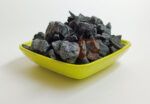
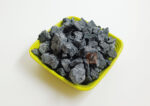
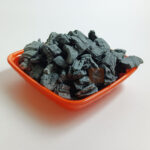
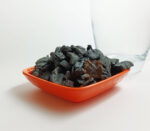
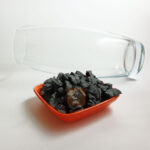

Washed Cinder for Plants
Price range: ₹100.00 through ₹350.00
Coco Husk or Coco Chips
Price range: ₹100.00 through ₹350.00
Wood Charcoal for Plants
Price range: ₹100.00 through ₹350.00
Wood charcoal, derived from natural wood sources like branches or hardwood, undergoes a process called pyrolysis, transforming it into a porous, carbon-rich material. These charcoal pieces, when added to soil or compost, offer a myriad of benefits for plant growth. The use of wood charcoal for plants isn’t just a trend; it’s a natural powerhouse aiding your plants in various ways.
Size and packaging guidelines


Fermentum scelerisque hendrerit parturient nullam enim lobortis litora parturient dictumst.

Potenti a quisque tincidunt venenatis adipiscing parturient fermentum nisl tincidunt amentu.

Scelerisque conubia lobortis a condimentum ad eleifend dui integer maecenas habitant nostra.
| Specification | Chair | Armchair | Sofas |
| Height | 37" | 42" | 42" |
| Width | 26.5" | 32.5" | 142" |
| Depth | 19.5" | 22.5" | 24.5" |
| Assembly Required | No | No | Yes |
| Packaging Type | Box | Box | Box |
| Package Weight | 55 lbs. | 64 lbs. | 180 lbs. |
| Packaging Dimensions | 27" x 26" x 39" | 45" x 35" x 24" | 46" x 142" x 25" |
Description
BENEFITS
1.Enhanced Soil Aeration
Wood charcoal’s porous structure promotes optimal soil aeration, ensuring that plant roots receive the oxygen they need for healthy development. This translates to stronger, more resilient plants.
2.Moisture Regulation
Say goodbye to waterlogged soil! Wood charcoal acts as a moisture regulator, preventing excess water retention. It absorbs and releases moisture as needed, maintaining the perfect hydration balance for your plants.
3.Nutrient Retention and Gradual Release
Charcoal is an excellent nutrient reservoir, holding onto essential elements like nitrogen, phosphorus, and potassium. It gradually releases these nutrients, providing a sustained and balanced nourishment for your plants.
4.pH Balance Maintenance
Wood charcoal contributes to maintaining an optimal pH level in the soil. This is critical for nutrient absorption by plant roots, fostering an environment where plants can thrive and flourish.
5.Natural Odor Reduction
Bid farewell to unpleasant smells in your garden. Wood charcoal’s absorptive properties help reduce and neutralize odors, creating a fresh and inviting atmosphere for both plants and garden enthusiasts.
6.Long-Term Soil Enrichment
Unlike some soil amendments, wood charcoal has a lasting impact. It persists in the soil, continually enhancing its structure, fertility, and overall health over the long term.
7.Disease Prevention
The anti-bacterial properties of wood charcoal contribute to disease prevention in plants. It creates a protective environment that minimizes the risk of soil-borne diseases harming your garden.
8.Environmental Sustainability
Choosing wood charcoal for plants aligns with eco-friendly practices. It’s a sustainable option, as it repurposes natural materials without the environmental concerns associated with certain synthetic alternatives.
9.Compost Boost
Revitalize your compost pile by introducing wood charcoal. Its addition accelerates the decomposition process while contributing valuable carbon, resulting in nutrient-rich compost for your plants.
10.Versatile Application
Wood charcoal integrates seamlessly into various gardening practices. Whether in composting, potting mixtures, or garden beds, its versatility makes it a valuable asset for plant enthusiasts.
Additional information
| Weight | N/A |
|---|---|
| Brand | Naturehopping |
Usage
1. Container Gardening
Cinder media is an ideal choice for container gardening. Fill your pots and containers with cinder media to provide plants with the perfect balance of aeration, drainage, and stability. This is especially beneficial for potted plants that require excellent root support.
2.Hydroponic Systems
Cinder media has found a niche in hydroponic systems, serving as a reliable and inert growing medium. Its lightweight nature facilitates easy handling and maneuverability, making it an excellent choice for various hydroponic setups.
3.Seed Starting Mix
Create a customized seed starting mix by incorporating cinder media. The porous structure promotes healthy seed germination, allowing roots to establish themselves efficiently.
Related products

New

Blood Meal For Plants
Derived from the dried blood of animals, typically cows or pigs, blood meal is a potent and natural fertilizer celebrated for its rich nitrogen content. This organic gem undergoes a meticulous drying process, rendering it into a fine, granular form ready to infuse life into your garden soil. At the heart of blood meal's efficacy lies its high nitrogen concentration. Nitrogen is a vital component in plant development, driving the synthesis of proteins and chlorophyll. When introduced to the soil, blood meal acts as a powerful growth stimulant, fostering lush foliage and robust plant structures.

New

cocopeat
Cocopeat serves as a sustainable and eco-friendly alternative to traditional soil mediums. Its innate ability to retain moisture while ensuring excellent aeration makes it a go-to choice for gardeners and agriculturists alike. The purpose extends beyond mere potting; it enriches soil structure, promotes healthy root growth, and aids in the efficient absorption of nutrients by plants.
New
Mixture Fertilizer
Mixture fertilizers are blends crafted from many essential nutrients vital for plant growth and development. These formulations are a boon for agriculture and horticulture, as they offer a balanced and tailored approach to supplementing soil nutrient deficiencies.The primary objective behind using mixture fertilizers is to provide plants with a comprehensive array of nutrients necessary for their optimal growth. By combining various elements like nitrogen, phosphorus, potassium, and micronutrients in specific proportions, mixture fertilizers aim to address the specific needs of different crops and soil types.

New

Mustard Cake
Mustard cake is a versatile agricultural byproduct derived from the extraction of mustard oil. This residue by ‘Nature Hopping’ retains a substantial portion of the nutrients found in the original seeds, making it a valuable organic fertilizer and soil conditioner. Its granular form allows for easy application and integration into agricultural practices. . Its composition, abundant in nitrogen, phosphorus, and potassium, alongside essential micronutrients, makes it an excellent choice for enriching soil fertility.

New

Neem Cake
Neem cake, a natural byproduct derived from the seeds of the neem tree, is a powerhouse in sustainable agriculture. Renowned for its diverse applications, this organic marvel has become a cornerstone in eco-friendly farming practices. Packed with essential nutrients like nitrogen, phosphorus, potassium, and organic matter, neem cake compost offers a holistic solution for enhancing soil fertility and promoting plant growth.
New
Rice Husk Plant Media
Rice husk, a natural byproduct of rice milling, is the outer protective layer of the rice grain. It's often seen as an agricultural waste, yet its multifaceted uses make it a valuable resource in various industries. The utilization of rice husk spans several domains, primarily driven by its environmentally friendly and versatile characteristics. One of its primary purposes lies in sustainable agriculture practices and horticulture. Its versatility as a mulching material, soil conditioner, potting mix component, and even in pest management showcases its indispensability in promoting eco-friendly approaches within various agricultural domains.
New
New
Washed Cinder for Plants
Cinder Media transforms plant care with its lightweight charm, offering an ideal blend of aeration and stability. Dive into hydroponic adventures with Cinder's inert reliability, ensuring plants receive essential nutrients. As Nature Hopping explores the wonders of Cinder Media, join us in elevating your gardening experience to new heights.